
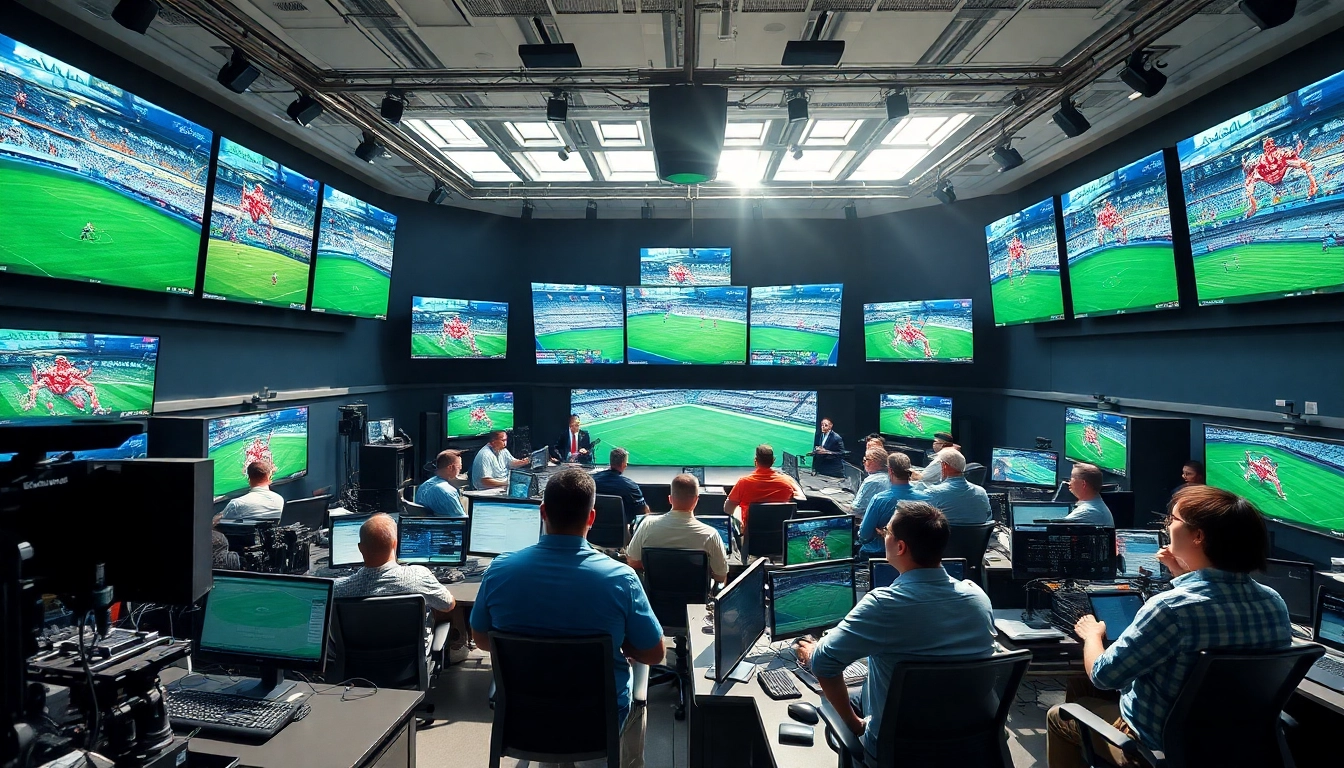
The Evolution of Sports Broadcasting
History of Sports Broadcasting
Sports broadcasting has a rich history that dates back to the early 20th century when the first radio broadcasts of sporting events began. The advent of radio allowed fans to tune into live play-by-play coverage, which was a groundbreaking development in how sports were consumed. By the late 1930s, television started to infiltrate the broadcasting world, forever changing the landscape. The first televised Major League Baseball game aired in 1939, which paved the way for a revolution in sports viewership.
Technological Advancements in Sports Broadcasting
As technology advanced, so did the capabilities of sports broadcasting. The introduction of color television in the 1960s provided an immersive experience. The advent of cable television in the 1980s further expanded the reach of sports networks, offering dedicated channels for fans. Fast forward to the 21st century, and we see the rise of high-definition broadcasts, 4K video, and even virtual reality options for audiences keen on experiencing the athletically charged atmosphere from their homes. These developments have fueled the rapid growth of the Sports Broadcasting industry.
Global Impact of Sports Broadcasting
Sports broadcasting transcends geographic barriers, allowing fans worldwide to connect over shared interests. Major sporting events such as the Olympics and the FIFA World Cup are broadcast globally, drawing billions of viewers. This global reach not only enhances the popularity of sports but also stimulates economic activities in host cities and nations, making sports broadcasting a powerful entity in the global economy.
Current Trends in Sports Broadcasting
Shift Toward Digital Platforms
With the increasing prevalence of the internet and streaming platforms, there is a significant shift from traditional cable broadcasting to digital channels. Fans now expect to access content on their terms, leading to the rise of platforms like Amazon Prime Video, Netflix, and dedicated sports streaming services. This democratization of access allows fans to watch sports on various devices, encouraging broadcasters to refine their strategies to align with viewer expectations.
Increased Audience Engagement
Engagement is a key metric for modern sports broadcasters. Leveraging social media platforms has become integral to promoting broadcasts and connecting with fans. Interactive elements such as live polls, chats, and instant replays enhance viewer experience, creating an engaging forum for discussions and commentary during events. Broadcasters are exploring new ways to bridge the gap between digital and live broadcasting, offering more immersive experiences.
Emerging Technologies in Sports Broadcasting
Emerging technologies such as augmented reality (AR), artificial intelligence (AI), and machine learning are reshaping sports broadcasting. These innovations aid in providing real-time statistics, enhancing visual storytelling, and creating personalized viewing experiences. AI algorithms analyze viewer behavior to tailor recommendations, while AR can offer engaging overlays that enhance understanding of complex plays and strategies.
Challenges Facing Sports Broadcasting
Regulatory Issues
Regulatory challenges significantly impact sports broadcasting, with policies varying from region to region. Rights fees, broadcasting rights, and age restrictions are all subject to regulation that can affect the availability and delivery of sports content. Staying compliant while evolving broadcast strategies requires broadcasters to navigate complex legal landscapes.
Content Accessibility
Ensuring content accessibility for all audiences, including those with disabilities, is another increasing challenge. Broadcasters are compelled to offer closed captioning, audio descriptions, and other accessibility options to reach a broader audience. Balancing compliance with enhancing viewer experience is essential for successful broadcasting.
Competition Among Broadcasters
The landscape of sports broadcasting is highly competitive, with numerous entities vying for viewership and exclusive rights. Traditional broadcasters face stiff competition from digital-first companies willing to experiment with new formats and pricing models. Broadcasters must differentiate their offerings, create exclusive content, or provide innovative viewing experiences to capture and retain audiences.
Best Practices for Effective Sports Broadcasting
Building Audience Trust
Building trust with the audience is paramount for broadcasters seeking long-term engagement. Transparency about content sourcing, ad placements, and data usage fosters trust. Also, allowing feedback and addressing viewer concerns demonstrates a commitment to delivering quality sports content responsibly.
Utilizing Analytics for Performance
Analytics play a crucial role in optimizing sports broadcasts. By monitoring viewer patterns and preferences, broadcasters can refine their strategies, planning, and content delivery to align closely with audience needs. Metrics such as viewer retention rates, engagement levels, and feedback are critical data points for adaptive strategy formulation.
Enhancing Viewer Experience
Enhancing the viewer experience should be at the forefront of a broadcaster’s strategy. This can include integrating user-friendly interfaces, offering various camera angles, and live stats overlays. Regularly assessing viewer feedback to improve content delivery will ensure audience satisfaction and loyalty.
The Future Landscape of Sports Broadcasting
Predictions for the Next Decade
The next decade is poised for transformative changes in sports broadcasting. The continued shift towards on-demand content and personalized offerings will dominate. Expect to see advanced interaction features that allow viewers to dictate their viewing experience, taking advantage of multi-screen setups and personalized content streams.
Opportunities for Growth
As globalization continues to influence sports broadcasting, new opportunities for growth will emerge. Broadcasters can explore new markets via partnerships with local providers, ensuring that content reaches diverse audiences. The marriage of sports with lifestyle content provides additional gateways to engage viewers.
Strategic Partnerships in Sports Broadcasting
Strategic partnerships will shape the future of sports broadcasting. Collaborations between traditional broadcasters and tech firms can yield innovative viewing experiences and insights. Sharing resources will enhance content creation and delivery, offering fresh value to the audience and capturing untapped revenue streams.
Frequently Asked Questions
What is sports broadcasting?
Sports broadcasting refers to the transmission of sports events via radio, television, or digital platforms, allowing audiences to watch or listen live.
How has technology changed sports broadcasting?
Technology has introduced high-definition broadcasts, streaming services, AR, and AI, enhancing viewer experiences and accessibility in sports.
What trends are influencing sports broadcasting today?
Current trends include a shift to digital platforms, increased audience engagement, and the integration of emerging technologies in broadcasts.
What are the biggest challenges in sports broadcasting?
Challenges include navigating regulatory issues, ensuring content accessibility, and managing competition among various broadcasting entities.
How can sports broadcasters engage their audience effectively?
Broadcasters can engage audiences by creating interactive experiences, utilizing social media, and analyzing viewer data to refine strategies.